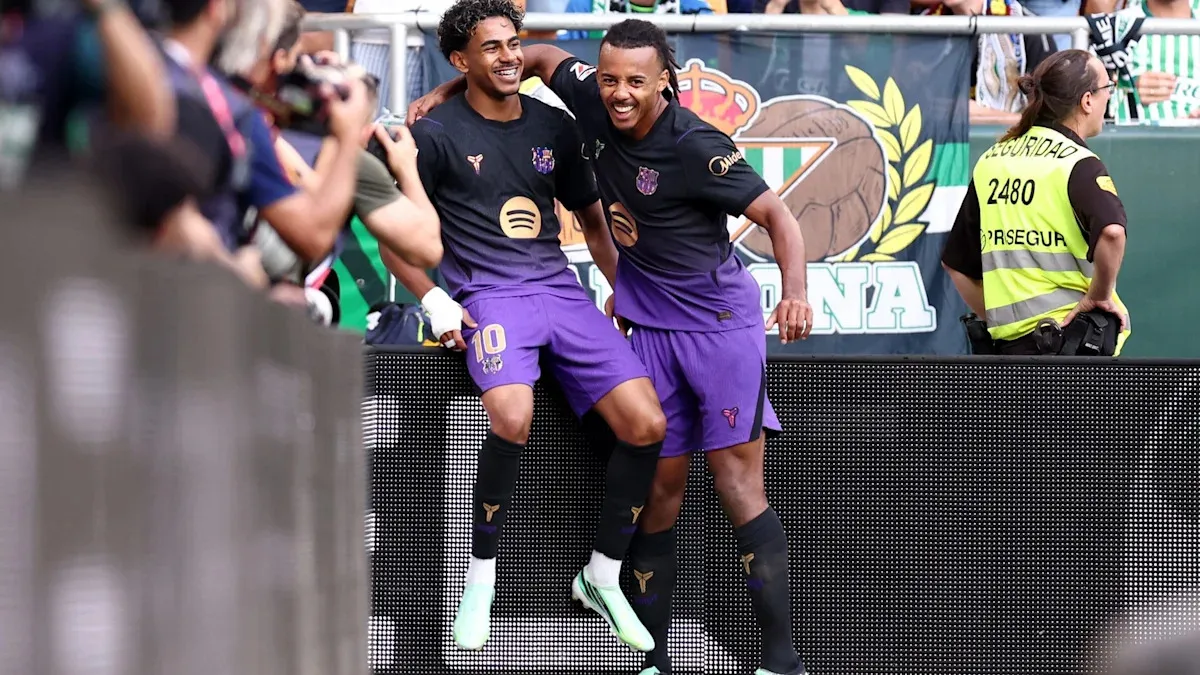
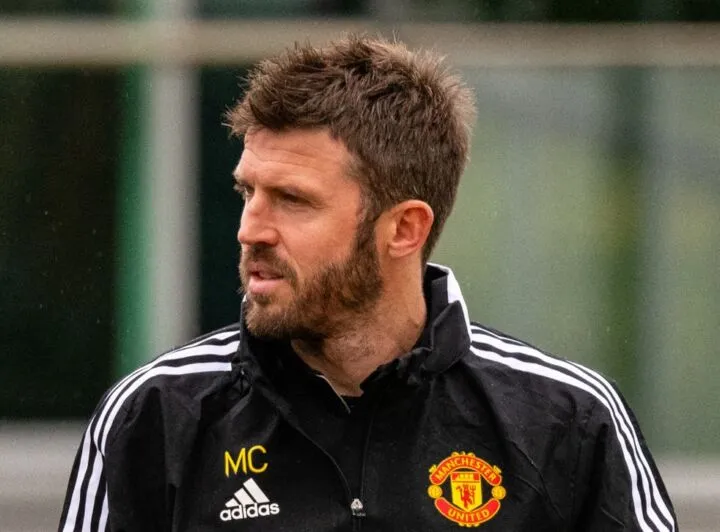
Manchester United’s recent form has descended into farce. A 4-1 demolition at Como in the Champions League—where the Red Devils were outplayed from the opening whistle—has exposed a side that has not won in seven games across all competitions. The scale of the problem is not lost on Michael Carrick, who, ahead of a high-stakes Premier League clash with Aston Villa, delivered a rare moment of candour. ‘We’ve had a spell that we’re really not happy with,’ he admitted, his tone one of quiet urgency. The words carry more than rhetorical weight; they are a direct challenge to a squad that, just a season ago, delivered near-consistent league form with a similar core.
The issue is not merely tactical. It is systemic. Carrick’s side has struggled to replicate the midfield dominance that defined their title challenge in 2022-23, where Bruno Fernandes, Casemiro, and Scott McTominay formed a nucleus capable of dictating games. This term, however, the same trio has been exposed in crumbling defences and a lack of creative punch. The Como defeat was not an anomaly—it was the culmination of a trend. Against Roma, against Bayer Leverkusen, against even mid-table opposition, United have looked disjointed, their once-reliable structure unravelling under pressure. The Champions League, traditionally a crucible for elite sides, has become a mirror reflecting their current malaise.
The stakes could not be higher. United’s remaining group stage fixtures—against Bayern Munich, Roma, and Sporting—are not mere form checks; they are survival tests. A side without a win in seven games cannot afford another collapse. The Premier League, meanwhile, demands consistency, and the gap between United and the title race has widened alarmingly. Carrick’s plea for a ‘springboard’ from the UCL performance is not just about pride; it is about survival. The manager’s frustration is palpable, but so too is the realisation that the board’s patience is finite. Last season’s near-miss with a similar squad suggests the tools are there. The question now is whether United can muster the discipline and belief to turn the tide.
The supporters’ role in this crisis cannot be overstated. Their loyalty has been unwavering, but even their endurance has limits. A 4-1 defeat at Como was not just a tactical failure—it was a moment of collective shame. Carrick acknowledged as much, urging fans to ‘feel how we all felt’ on that Wednesday night. The manager’s words carry a rare honesty, but they also underscore a harsh truth: United’s problems are not just managerial. They are structural. The midfield’s inability to impose its will, the defence’s vulnerability, and a front line that has yet to deliver in big games all point to a side in need of a fundamental reset. The coming weeks will determine whether Carrick can engineer that change—or if United’s season will be remembered as another missed opportunity.
One thing is certain: the pressure is mounting. The board’s tolerance for underperformance is not infinite, and the Champions League, where United’s identity is often forged, has become a battleground for their future. Carrick’s challenge is clear. He must turn midweek heroics into sustained Premier League success, or risk seeing United’s season slip further into the abyss. The clock is ticking, and the margin for error is vanishingly small.