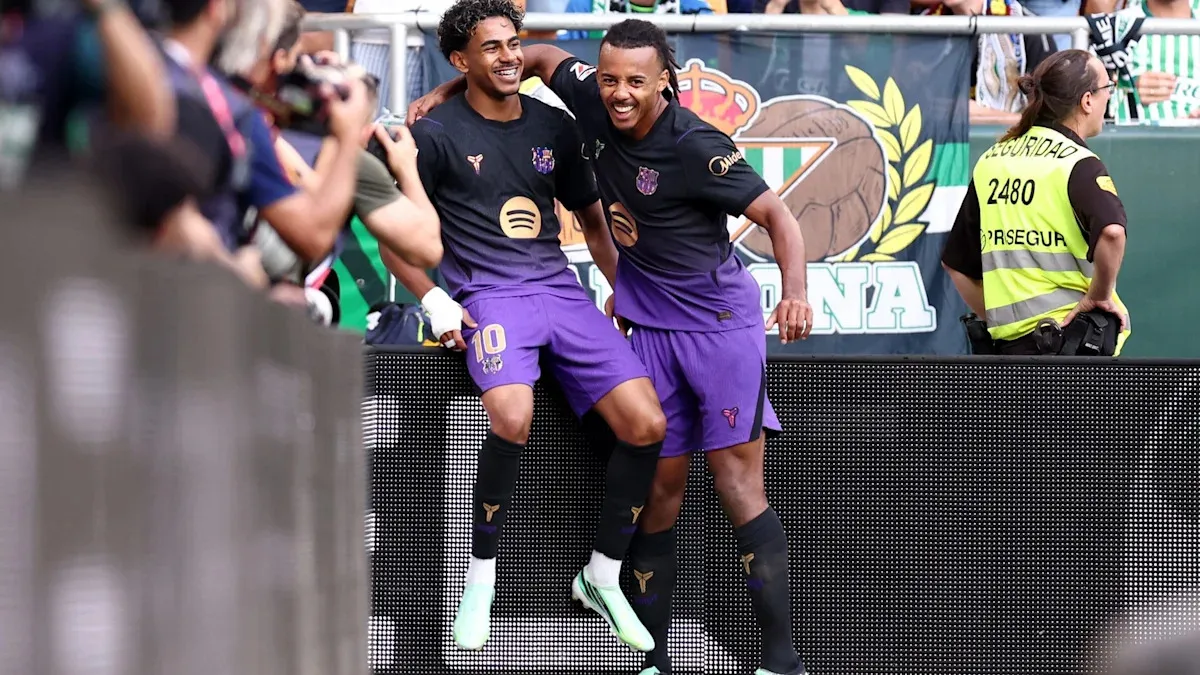
Barcelona’s 3-0 triumph at Wanda Metropolitano was a statement of intent—one that secured their place atop La Liga—but it did little to quiet the growing chorus of doubt surrounding their Champions League credentials. The victory, while decisive, was not the triumph of a team poised to conquer Europe. Instead, it was a defensive masterclass that exposed the fragility of their attacking identity, a problem that has plagued them in knockout football for years. The question now is not whether Barcelona can win La Liga—it’s whether they can replicate the same defensive resilience when the stakes are higher, the pressure is unbearable, and the opposition is not content to concede.
The tactical contradictions are glaring. Barcelona’s ability to shut down Atlético Madrid’s front three—with players like Koke and Llorente neutralized—was a testament to their defensive organization, but it also highlighted the absence of a solution to their own attacking vulnerabilities. Hansi Flick’s system relies on fluidity, on the ability of midfielders like Pedri and Gavi to dictate tempo and unlock defenses. Yet in the Champions League, where opponents are equally well-prepared, Barcelona’s midfield has repeatedly collapsed under pressure. The 3-0 win over Atlético was a reminder of their defensive prowess, but it was also a stark contrast to the chaos that often follows when they face elite pressing systems. The team’s inability to maintain possession under pressure in knockout football remains their Achilles’ heel, and the La Liga summit victory does nothing to address that.
Financially, Barcelona’s situation is equally precarious. The club’s recent signing of a high-profile striker—reportedly for a substantial fee—has drawn criticism from pundits who argue it is a misguided attempt to solve problems with money rather than structure. The move, while potentially beneficial in the short term, does little to address the deeper tactical and philosophical issues that have hindered Barcelona’s recent campaigns. Their financial constraints, a legacy of years of financial regulation battles, mean they cannot simply buy their way out of this crisis. The €80 million investment in the new signing is a bandage on a wound that requires surgical intervention. Without a coherent midfield or a defensive identity that can withstand the rigors of European football, Barcelona’s Champions League dream is built on sand.
The implications for Atlético Madrid are equally significant. The signing of a midfielder—described as a ‘smart move’ that could close the gap in La Liga—has sent shockwaves through the Spanish capital. Real Madrid, Barcelona’s primary rivals, will be reeling after seeing their target join the team that has consistently outplayed them in recent seasons. For Atlético, this acquisition is not just about La Liga; it’s about building a project that can challenge Barcelona’s dominance in Europe. The club’s ability to sign at a discount—potentially freeing up funds for other key transfers—could be the difference between another near-miss and a genuine title challenge. Barcelona, meanwhile, must now confront the reality that their path to a third consecutive La Liga title is clear, but their Champions League journey remains uncertain.
The La Liga summit win was a victory, but it was not the victory Barcelona needs. The team’s defensive solidity is undeniable, but it is not enough. The Champions League demands more than just resilience—it demands creativity, adaptability, and a midfield that can dictate games. Barcelona’s next test will come sooner than later, and the questions they face now are not about whether they can win La Liga, but whether they can evolve into a team capable of winning Europe’s most prestigious competition. The answer to that question will not be found in another defensive masterclass, but in their ability to correct the tactical flaws that have haunted them in the knockout stages for years.