
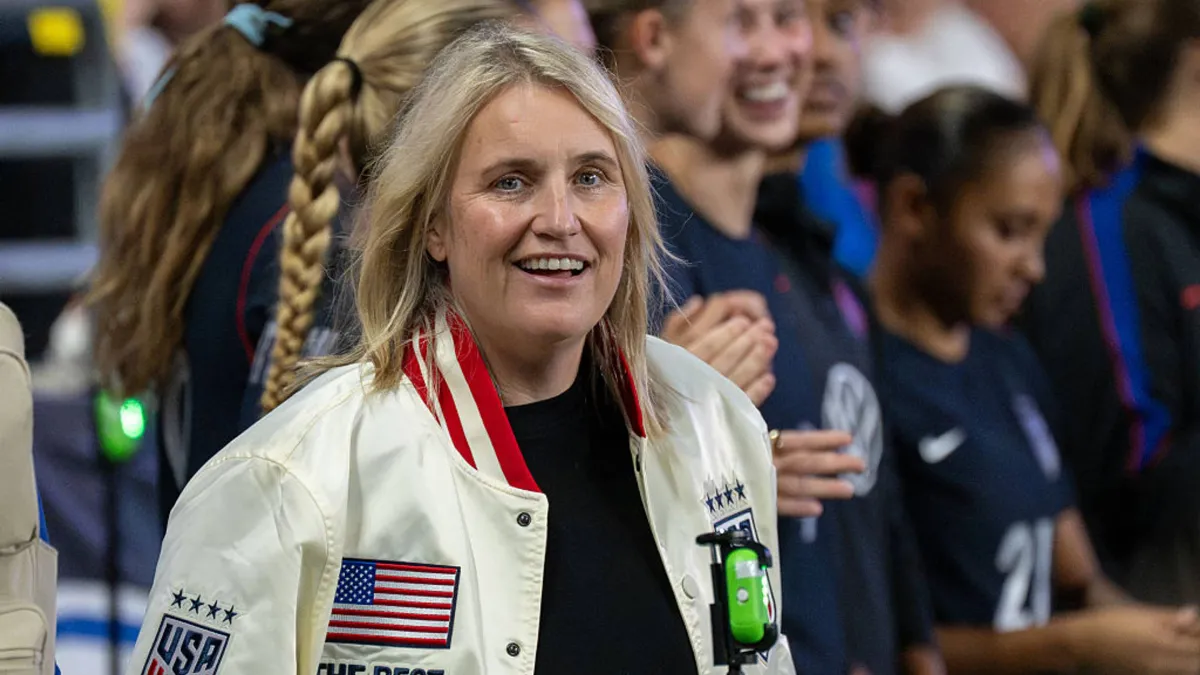
The 2027 Women’s World Cup will see a historic surge in prize money, but the figures remain a fraction of what FIFA awarded to the men’s tournament in 2026. The disparity is not just a number—it’s a symbolic battle over the sport’s values, one that the USWNT and other powerhouses have already won on the field, regardless of the purse strings.
FIFA’s reported plan to dramatically boost the 2027 prize pool is a rare acknowledgment of the women’s game’s commercial and cultural clout. Yet even with this increase, the total will still lag far behind the $440 million distributed at the 2026 men’s World Cup. The math is undeniable: the women’s tournament’s earnings will remain a shadow of their male counterparts, despite the undeniable global growth of women’s football. This isn’t just about money—it’s about recognition. The USWNT’s dominance in recent years, their commercial appeal, and their ability to draw massive audiences have made them untouchable in terms of influence, even if FIFA’s ledger doesn’t reflect that parity.
The irony is that the women’s game has long operated in a world where financial equality was never the primary measure of success. The USWNT’s 2019 World Cup victory, their record-breaking commercial deals, and their status as global ambassadors for the sport have ensured their legacy is built on more than prize money. They’ve turned every match into a statement, every tournament into a movement. FIFA’s reluctance to fully align the purse strings with the women’s tournament’s reality only underscores how far the sport still has to go—yet it doesn’t diminish the impact of the players who’ve made the women’s game a force untethered from outdated financial models.
What’s clear is that the women’s World Cup will continue to thrive, not because of FIFA’s ledger, but because of the players who’ve redefined what it means to compete at the highest level. The prize money debate is a necessary conversation, but it’s secondary to the fact that the USWNT and their peers have already secured their place in football history. The question now isn’t whether they’ll be paid equally—it’s whether FIFA will ever catch up to the reality they’ve created on and off the pitch.