The controversy surrounding Kylian Mbappé’s remarks about Mao Zedong has escalated into a commercial and diplomatic crisis, erasing years of carefully cultivated goodwill in China. During a recent interview, the Real Madrid forward identified a meme featuring his face superimposed on an image of the late Chinese leader as his favorite, a comment that quickly ignited outrage across the country. The backlash was immediate: two major Chinese sponsors severed ties, state broadcaster CCTV halted all La Liga broadcasts, and the French star’s official accounts were restricted on domestic platforms. The decisions mark a rare public rupture between a global football icon and one of the sport’s most lucrative markets.
Mbappé’s apology, issued hours after the fallout began, arrived too late to stem the damage. In a statement, he acknowledged his ‘ill-judged’ remark, admitting it had ‘hurt many people in China and in Chinese communities around the world.’ Yet the damage was already done. The Chinese government’s Foreign Ministry condemned the comments, framing them as an affront to national sensibilities, while state media amplified the narrative, demanding accountability. The suspension of La Liga’s TV deal—covering all 20 clubs—signals the severity of the breach, as CCTV’s decision extends beyond Mbappé to the entire league, cutting off one of football’s most valuable international audiences.
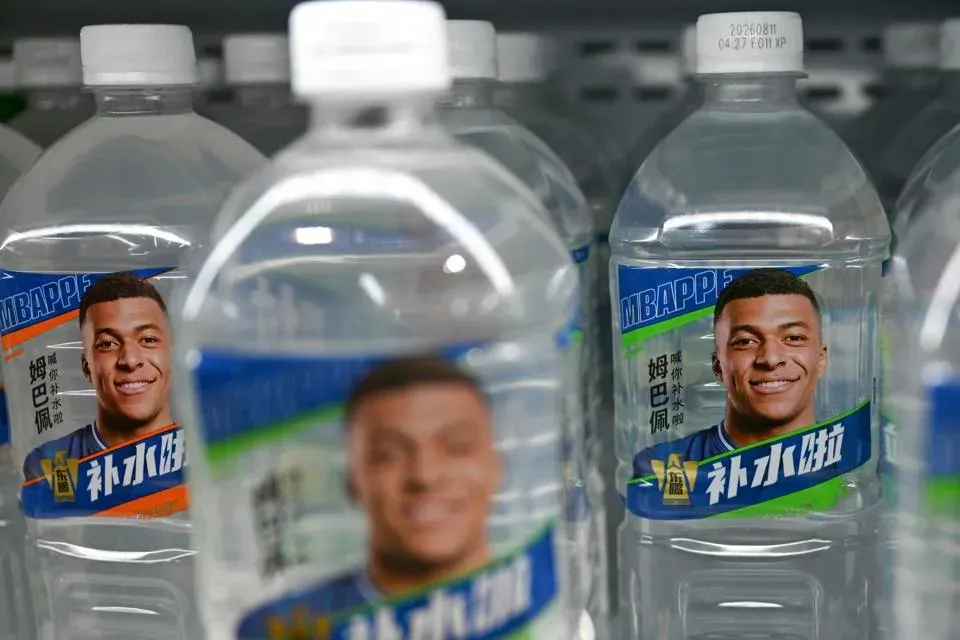
The commercial fallout is equally stark. Two high-profile Chinese brands, including a dairy manufacturer and the influential social media platform Xiaohongshu, have ended their partnerships with Mbappé, while advertisements featuring the player were scrubbed from state television. The move reflects China’s zero-tolerance stance on content perceived as disrespectful to its historical figures, a line Mbappé appears to have crossed. La Liga’s official response, while apologetic, underscored the personal nature of the comments, yet the league’s own suspension of broadcasts suggests the damage extends beyond individual accountability. The incident underscores how quickly global stars can become collateral damage in geopolitical tensions, even in the seemingly apolitical realm of sport.
For Mbappé, the consequences go beyond lost sponsorships. His popularity in China had been a cornerstone of his commercial appeal, with brands leveraging his image in ads during major tournaments. The sudden blackout—including the removal of AI-generated promotions featuring the player—highlights how swiftly reputations can be rebuilt or irreparably damaged. The case also serves as a cautionary tale for other athletes navigating China’s tightly controlled media landscape, where even unintentional humor can trigger widespread backlash. As the dust settles, the question remains: can Mbappé recover from this setback, or has his relationship with China’s football market been permanently severed?