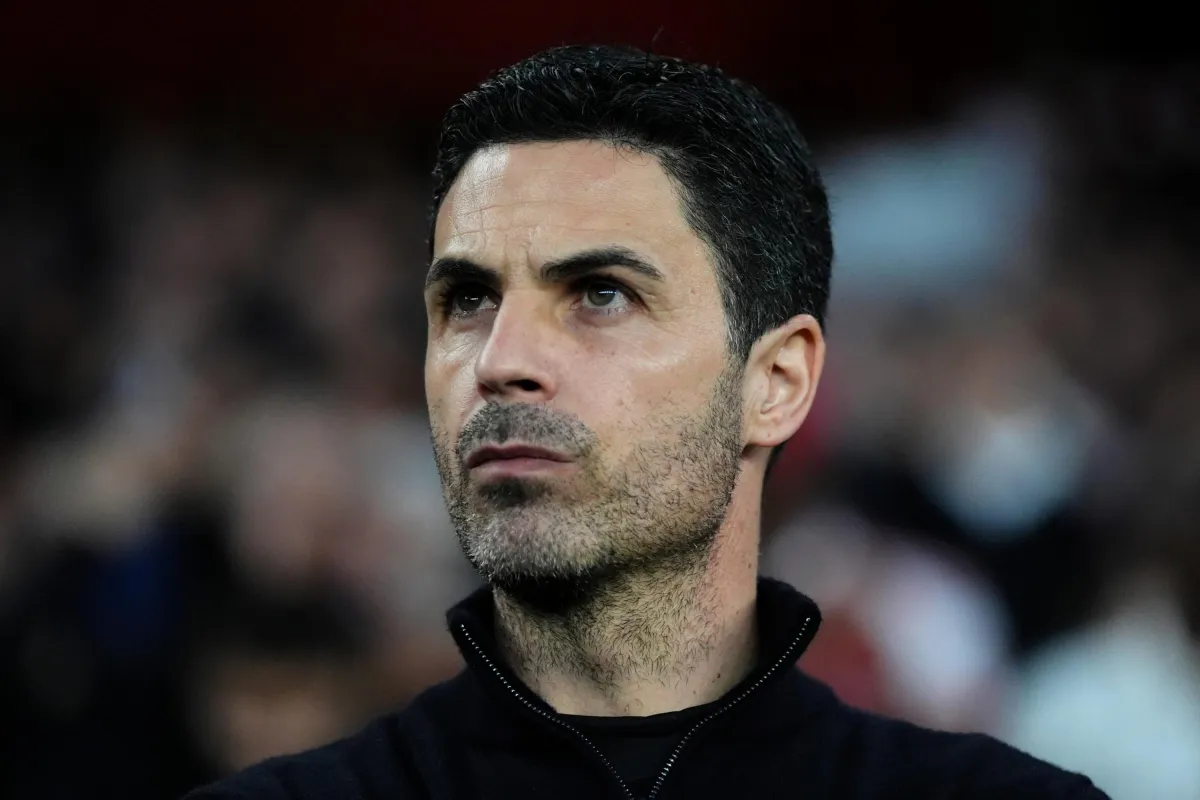
Mikel Arteta has made no apologies for his blunt response to Max Dowman’s red card in Arsenal’s Carabao Cup defeat to Fleetwood Town. As the 16-year-old walked down the tunnel after his dismissal, Arteta’s words—‘We are not in Disneyland, we are in the Premier League’—cut through the usual sympathy for young players. The statement was a deliberate rejection of any notion that Arsenal’s wonderkid should be treated with kid gloves. Dowman, who has already become Arsenal’s second-youngest Premier League player, was sent off for the second time in a month, this time in a match where he had previously scored twice. Arteta’s reaction was not just a moment of frustration; it was a tactical and psychological intervention, one that signals his refusal to tolerate emotional lapses—even from a player of Dowman’s potential.
The incident has reignited debate about how young players are managed in the modern game. Former Arsenal midfielder Paul Merson criticized Arteta’s approach, arguing that a 16-year-old deserves empathy rather than a stern lecture. ‘He’s a kid,’ Merson said, implying that Arteta’s reaction was disproportionate. Yet Arteta’s perspective is rooted in the harsh realities of professional football. Dowman’s red card came after he had already been dismissed while representing England U19s, a reminder that even prodigies must navigate the game’s physical and psychological demands. Arteta’s refusal to elaborate on what he discussed with Dowman before the match suggests a preemptive strategy—one designed to reinforce discipline before it becomes a habit. The manager’s silence on the specifics only underscores his belief that consistency, not coddling, is the key to developing young talent.
Dowman’s suspension for Arsenal’s upcoming Premier League clash with Liverpool on *Super Sunday* will test whether Arteta’s approach is working. The youngster’s rapid rise—from debuting at 15 years and 235 days to becoming a regular starter—has already made him a focal point for Arsenal’s future. Yet his red cards, while understandable given his youth, risk overshadowing his undeniable talent. Arteta’s stance is clear: discipline is non-negotiable, even for a player with Dowman’s promise. The question now is whether the 16-year-old can channel his frustration into improvement, or if this moment will become a defining setback in his development.
What remains certain is that Arteta’s handling of Dowman is far from typical. Most managers might have offered reassurance or a pep talk after such an incident, but Arteta’s response was a masterclass in tough love. It’s a reminder that in the Premier League, even the brightest young stars must learn the game’s rules—hard and fast. Whether Dowman can rise to the challenge remains to be seen, but one thing is clear: Arteta is not backing down.