
The FIFA U-15 World Cup and Festival in Azerbaijan has been declared a model of refereeing excellence by Pierluigi Collina, the organization’s Chief Refereeing Officer. In a letter addressed to AFFA Secretary General Jahangir Farajullayev, Collina lauded the ‘high-standard organization’ of the event, crediting professional preparation, organizational acumen, and seamless teamwork as the cornerstones of its success. His praise was not merely ceremonial—it was a direct affirmation of the meticulous planning that underpinned every match, from the opening whistle to the final throw-in.
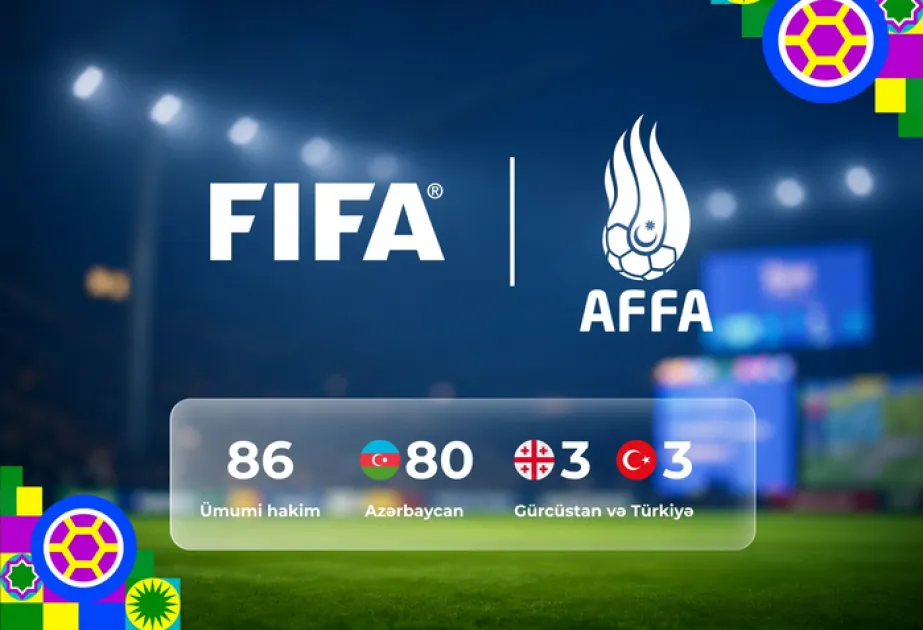
The scale of the operation was staggering. A total of 86 referees—80 from Azerbaijan itself, supplemented by three from Georgia and three from Türkiye—ensured the tournament’s smooth execution. Such a high concentration of domestic officials is rare in FIFA’s youth competitions, reflecting Azerbaijan’s long-term investment in developing its refereeing infrastructure. Collina’s letter specifically highlighted the AFFA Refereeing Committee and the Refereeing Department, framing their work as indispensable to the event’s integrity. The festival, held from October 22 to 30, 2026, was not just a showcase for young talent but a demonstration of how a host nation can elevate the standards of international football administration.
What makes this recognition particularly notable is the context. Azerbaijan, a nation with a footballing population of just over 1.5 million, has consistently punched above its weight in FIFA’s youth tournaments. The U-15 World Cup and Festival was no exception, with officials maintaining consistency in decision-making under pressure—a hallmark of Collina’s own legacy as a referee. His endorsement carries weight, given his reputation for demanding precision and fairness. For AFFA, this validation is more than symbolic; it signals that their efforts to professionalize refereeing at all levels are being noticed by the sport’s highest authorities.
Beyond the accolades, the event underscored a broader trend: the growing influence of smaller footballing nations in staging major competitions. Azerbaijan’s ability to host a FIFA youth tournament with such efficiency—while also managing the logistical challenges of a three-host-country World Cup in 2026—demonstrates how grassroots development can translate into operational excellence. The 80 Azerbaijani referees who took charge of the U-15 World Cup were not just officials; they were ambassadors of a system that prioritizes preparation, accountability, and adaptability. For football’s future, that is a blueprint worth emulating.