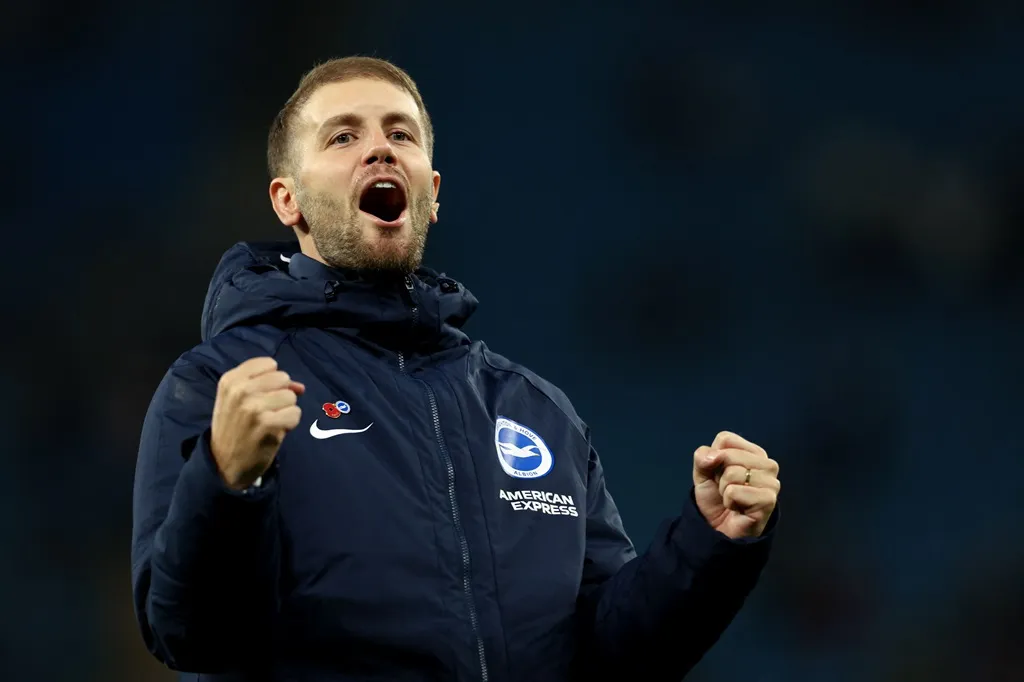

Sheffield Wednesday’s managerial transition has arrived with the abruptness of a League One deadline day. Henrik Pedersen, the 48-year-old Danish tactician who arrived with the promise of stability and ambition, was shown the door on Saturday after a 2-0 home defeat to Doncaster Rovers—a result that exposed the cracks in a season already marked by inconsistency. The Owls, sitting eighth in League One, now enter a critical stretch of the campaign without a permanent manager, with interim charge Matt Hamshaw stepping in to navigate a schedule that demands immediate answers.
Pedersen’s exit was not just a tactical failure but a narrative one. His tenure had begun with optimism, framed by the club’s ambitious rebuild under new ownership. Nine undefeated matches in a row—an impressive run in a league where momentum is often fleeting—had suggested progress. Yet the subsequent losses, including the derby defeat, became the catalyst for his dismissal. Pedersen’s own reflection on the situation was candid: the scale of the project was underestimated. With 18 new players integrated into a squad, and League One’s relentless 46-game marathon, the margin for error was razor-thin. The Owls’ stability, he noted, was hard-won, but the setbacks were enough to trigger a managerial overhaul.
The emotional weight of the departure cannot be overstated. Pedersen’s relationship with the club’s ownership had been positive until the final weekend, with the owners praised for their support. His resignation carries a personal sting—one he acknowledged in his remarks. ‘They’ve been fantastic owners until Saturday,’ he said, highlighting the contrast between the club’s vision and the immediate pressures of League One football. The Owls’ board, however, saw the losses as a turning point, prioritizing a fresh start over the incremental progress Pedersen had championed.
Wednesday’s next steps are now defined by urgency. Hamshaw, a former player and current assistant, will lead the team into a crucial period, with Cambridge United looming on the horizon. The challenge for the interim manager—and whatever permanent successor follows—will be to restore belief in a squad that has shown flashes of potential but remains unpolished. Pedersen’s departure leaves unanswered questions about the club’s long-term direction, particularly in a league where tactical evolution often dictates survival.
For Yorkshire’s footballing landscape, this is more than a local story. Pedersen’s exit mirrors broader themes in League One, where managerial stability is a luxury few clubs can afford. The Owls’ predicament underscores the delicate balance between ambition and pragmatism—a balance Pedersen struggled to strike in his brief tenure. As Wednesday’s season enters its most demanding phase, the focus will shift to whether Hamshaw can provide the clarity missing under Pedersen, or if the club’s next manager will need to rebuild from scratch.