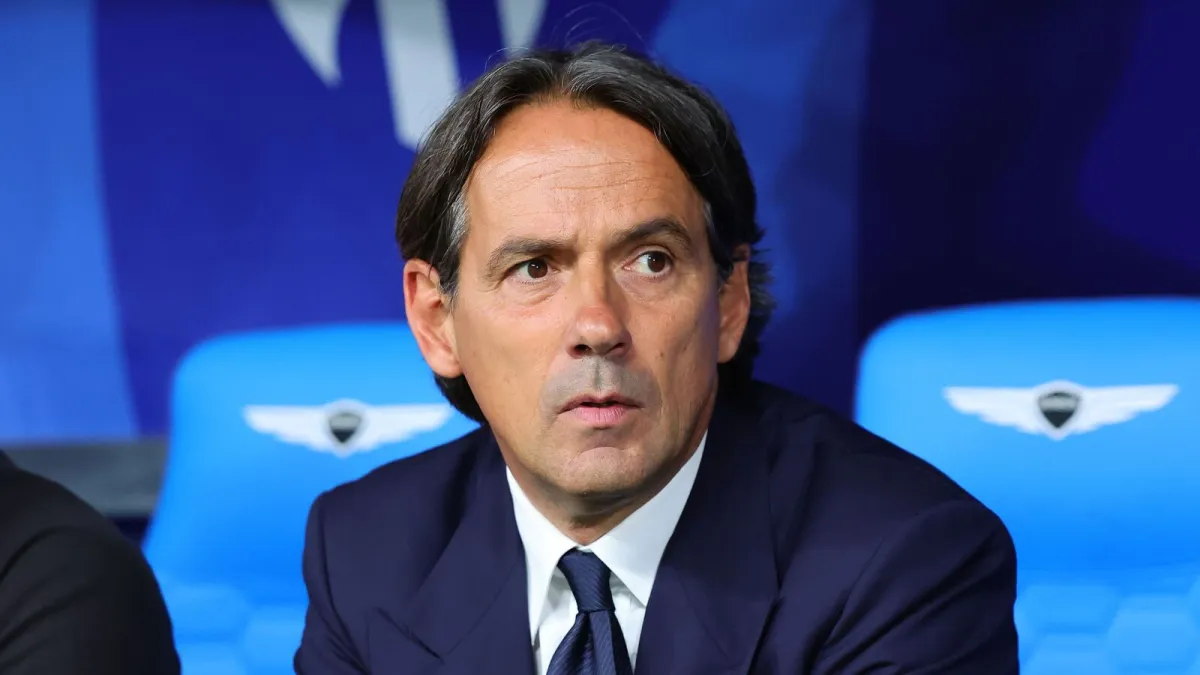
Simone Inzaghi’s reign at Al-Hilal has been derailed by a defeat that did more than just cost points—it exposed a fundamental tactical disconnect. The Italian’s second loss of the season, a 3-1 collapse to Qatar’s Al-Shamal in the AFC Champions League Elite, has sparked a fierce backlash from Saudi media, with critics accusing him of failing to leverage the club’s billion-riyal squad effectively. The defeat, suffered at Al-Bayt Stadium in Al-Khor during the league phase’s third round, wasn’t just a result—it was a statement on Inzaghi’s ability to adapt to the demands of Asia’s elite club football.
The most damning criticism came from Saudi media figure Abdullah Falatah, who dismissed the idea that money alone guarantees success. ‘Money is not everything,’ Falatah declared, reversing his earlier stance after witnessing Al-Hilal’s struggles. His analysis was blunt: Inzaghi’s tactical decisions—particularly his perceived underutilization of key players—left the team vulnerable. Falatah pointed to Al-Shamal’s credentials as a counterargument, noting the Qatari side’s recent Qatari League campaign and the presence of Riyad Mahrez among their ranks. The implication was clear: Inzaghi underestimated a team capable of competing, not a newly formed outfit.
The defeat isn’t just a setback; it’s a turning point. Al-Hilal’s AFC Champions League Elite campaign had already faltered with an early exit from the league phase, but this loss—against a side they were expected to dominate—has intensified scrutiny. The club’s financial resources are undeniable, but the question now is whether Inzaghi can translate that into on-field results. His tactical approach, once praised for its pragmatism in Europe, is now being questioned in a region where adaptability and tactical acumen are non-negotiable.
For Inzaghi, the pressure is mounting. The Italian’s ability to navigate Saudi football’s high-stakes environment has been tested before, but this defeat marks a shift from doubt to outright skepticism. The criticism isn’t just about the 3-1 score; it’s about the perception that Al-Hilal’s resources are being mismanaged. Whether this is a temporary blip or the start of a longer struggle remains to be seen, but one thing is certain: the next few weeks will determine whether Inzaghi can regain the trust of his squad and the Saudi public—or if this is the beginning of the end of his tenure.
The fallout from this defeat extends beyond individual performance. It reflects a broader challenge for foreign coaches in Asia: the need to balance European experience with the tactical demands of a region where physicality, pace, and tactical flexibility often decide games. Inzaghi’s ability to navigate this divide will be the defining factor in his time at Al-Hilal. For now, the Italian’s future hangs in the balance, and the next match will be the first test of whether he can turn criticism into confidence.