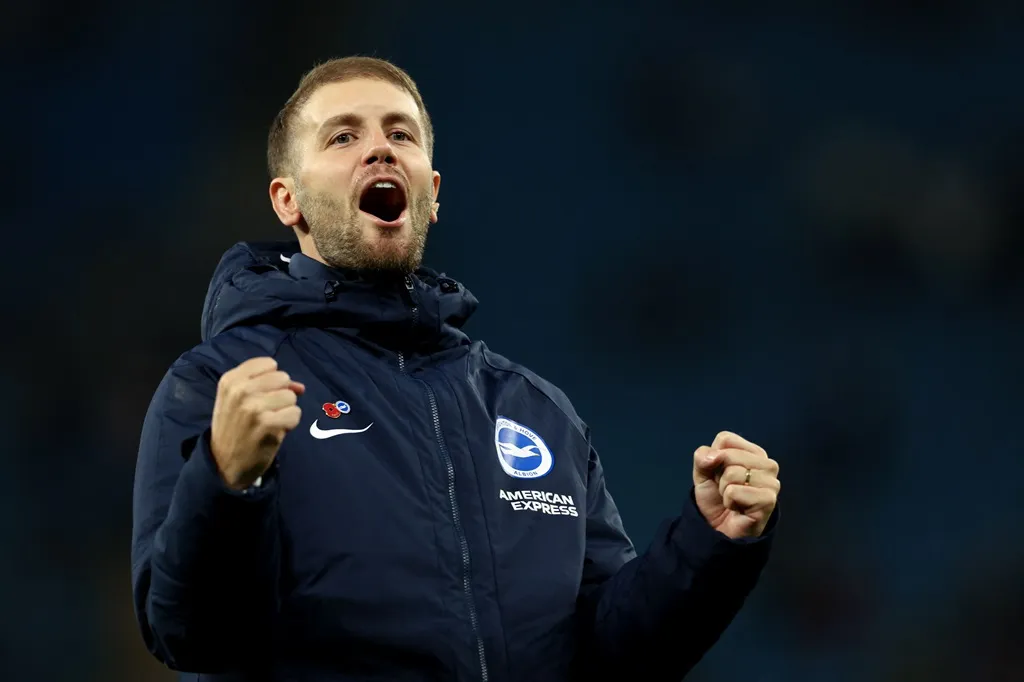
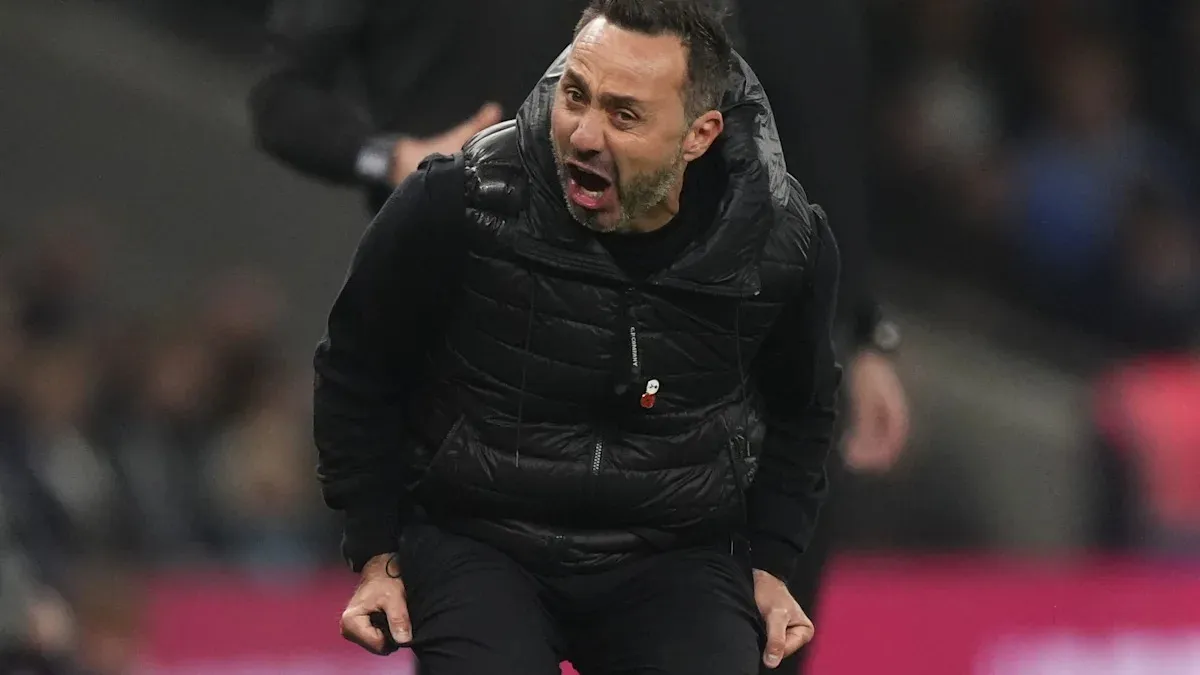
Tottenham Hotspur’s Premier League resurgence is being led by more than just tactical adjustments—it’s the collective spirit of the squad that has turned the tide. Roberto De Zerbi, whose arrival in north London was met with cautious optimism, has now pointed to the team’s cohesion as the driving force behind their recent dominance. On Saturday, Spurs produced a clinical display to defeat Crystal Palace 2-0, a result that extended their winning streak to three consecutive Premier League victories—a feat not achieved since the 2018-19 season, a gap of 616 days.
The win wasn’t just about the result; it was a statement of intent. Crystal Palace, reduced to ten men after a red card, struggled to contain Tottenham’s midfield dominance, while De Zerbi’s system allowed his players to dictate tempo with precision. The manager’s emphasis on positional play and collective movement has reshaped Spurs’ identity, transforming them from a side chasing consistency into one that now commands games. “It’s about the team believing in itself,” De Zerbi said after the match, a sentiment that resonates with the club’s recent struggles. The shift from individual brilliance to a unified unit has been the difference.
This turnaround arrives at a pivotal moment in the Premier League calendar, as the new season edges closer and the landscape of English football continues to evolve. While Tottenham’s rivals adapt to new managers and transfer windows, De Zerbi’s side has found stability in its core. The three-game winning streak isn’t just a statistical anomaly—it’s a reflection of the work done in the transfer market and the trust placed in the squad’s ability to perform under pressure. The challenge now is to sustain this momentum as the season progresses, but the foundations have been laid.
For Crystal Palace, the defeat serves as a reminder of the gaps that remain in their squad. Despite their resilience, the Eagles were outplayed in key areas, particularly in defensive organization and midfield control. Tottenham’s ability to exploit space and maintain possession under pressure exposed Palace’s vulnerabilities, a pattern that could become a recurring theme in De Zerbi’s first full season. The manager’s tactical acumen is being tested, but the results so far suggest he has found the right balance between structure and creativity.
As the Premier League enters a new phase with the 2026-27 campaign on the horizon, Tottenham’s resurgence offers a glimpse of what’s possible when a manager’s philosophy aligns with a team’s will. De Zerbi’s focus on unity and professionalism has already yielded dividends, and if the current trajectory continues, Spurs could be a force to reckon with in the coming months. The next chapter in north London football is being written now—one win at a time.