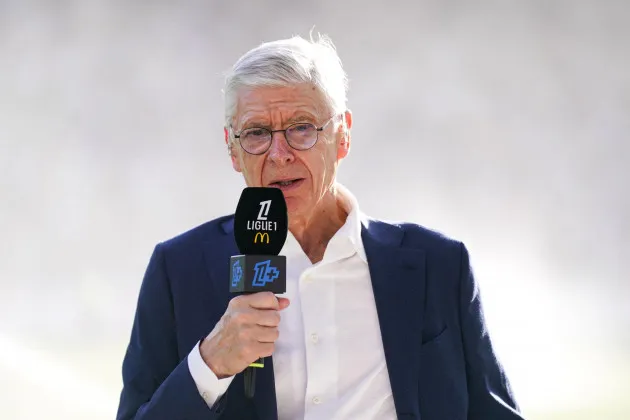
The football world is abuzz with speculation surrounding Arsène Wenger’s potential candidacy for the FIFA presidency. Sources indicate the 77-year-old former Arsenal manager is actively considering whether to enter the race, a move that would mark a seismic shift in global football governance. While UEFA has not yet formally endorsed him, the governing body is among those quietly evaluating Wenger as a credible alternative to incumbent Gianni Infantino, whose leadership has faced growing scrutiny over controversial decisions, including the scrapped World Cup stake sales.
Wenger’s position as FIFA’s Chief of Global Football Development has positioned him uniquely within the organization, offering both institutional insight and the credibility of a former elite manager. Yet his candidacy remains uncertain—he has not yet made a definitive decision, and UEFA’s internal discussions suggest other names are still under consideration. The Welsh Football Association’s recent withdrawal of support from Infantino, followed by England’s formal opposition, underscores the urgency among European football’s elite to present a unified front against the Swiss president’s re-election bid. Legal challenges against Infantino’s World Cup plans further highlight the depth of the backlash, creating an opening for a fresh leadership figure.
The timing of any announcement is critical. UEFA aims to finalize its preferred candidate by next week, signaling a deliberate effort to consolidate support before the 2027 election. Wenger’s name has been prominently discussed in these deliberations, though his personal inclination remains the decisive factor. His reputation as a tactically astute manager and his deep understanding of football’s operational challenges could make him a compelling candidate—but his lack of direct experience in governance may also raise questions about his ability to navigate FIFA’s complex political landscape.
If Wenger does decide to run, his candidacy would carry significant weight. His global profile, combined with his current role at FIFA, would offer a rare blend of managerial authority and institutional familiarity. Yet the path forward is far from guaranteed. The European football establishment’s preference for other candidates suggests internal divisions, and Wenger’s own reservations could yet derail the bid. One thing is clear: the race for FIFA’s top job is entering a pivotal phase, and Wenger’s potential involvement would add another layer of intrigue to a contest already fraught with political maneuvering.